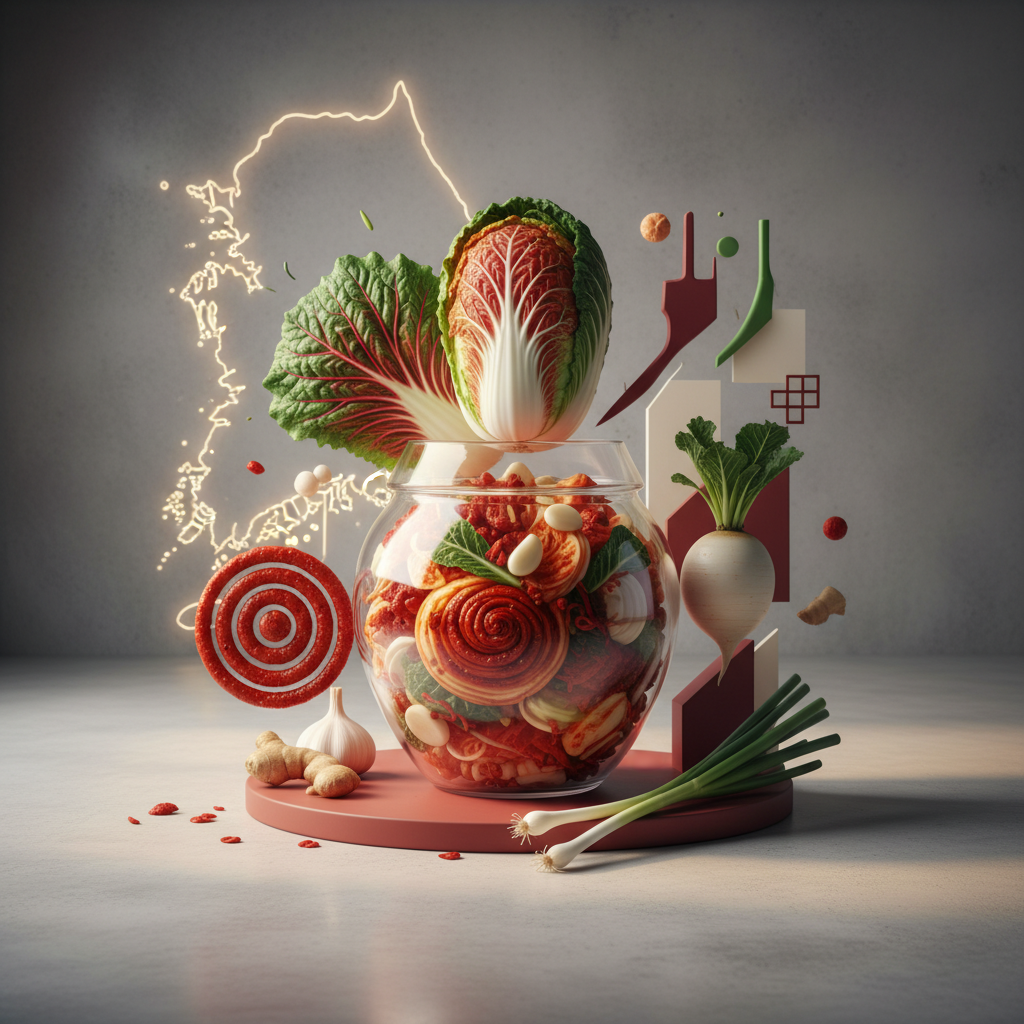
Why Do Koreans Eat Kimchi Every Day? 7 Cultural Reasons
In Korea, eating a meal without kimchi feels almost… wrong.
Even when eating pizza or pasta, many Koreans will still look for kimchi on the table. So why do Koreans eat kimchi every day—no matter what they eat? The answer goes far beyond taste. Kimchi is tied to Korean history, family traditions, daily habits, and even national identity.
For many foreigners, eating kimchi at every meal can feel surprising or even overwhelming at first. But for Koreans, it is as natural as having bread or salad.
For many visitors, kimchi looks like a simple side dish made from fermented vegetables. For many Koreans, however, a meal without kimchi feels incomplete. In this guide, you will discover why kimchi matters so much in Korea, how it became part of daily life, and which kinds of kimchi are easiest for beginners to enjoy.
1. Kimchi Was Originally a Survival Food in Korea
One of the biggest reasons Koreans eat kimchi every day comes from history. Before refrigerators existed, Korea’s long and cold winters made it difficult to grow fresh vegetables for months. Fermentation became a practical way to preserve food and keep nutrients available during winter.
Over time, kimchi became more than preserved food. It became a basic part of survival, and that practical role shaped Korean eating habits for generations.
This is one of the main reasons why Koreans eat kimchi every day.
2. Kimjang Turned Kimchi Into a Community Tradition
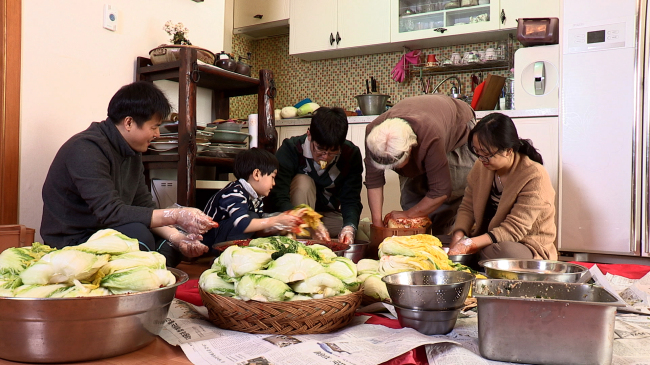
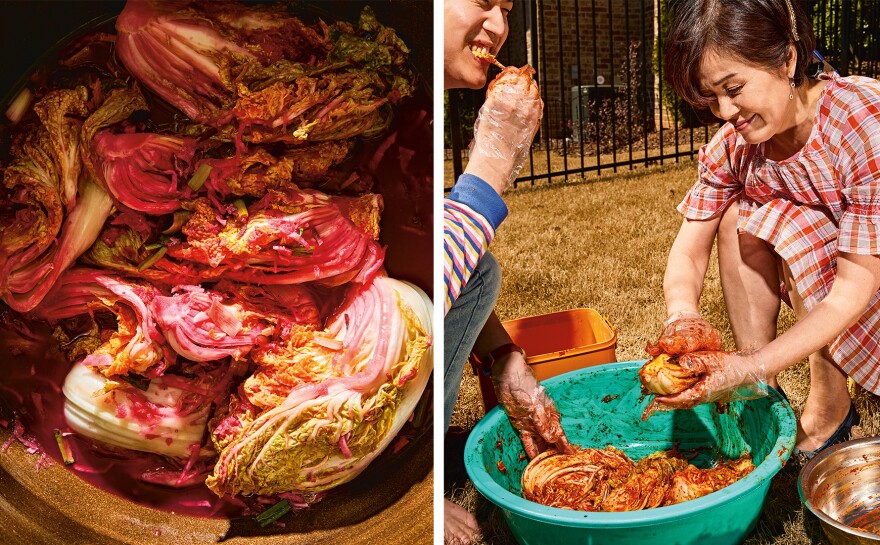
Kimjang, the seasonal tradition of preparing large batches of kimchi for winter, helped turn kimchi into a powerful cultural symbol. Families, neighbors, and relatives gathered to salt cabbages, prepare seasoning, and share food together. This was not only about cooking. It was also about cooperation, care, and community.
That is why kimchi still carries emotional meaning in Korea today. It reminds many people of family, home, and shared effort.
For many Koreans, the smell of kimchi is deeply tied to childhood memories. It often reminds them of family gatherings, winter preparation, and home-cooked meals.
3. Kimchi Balances Korean Meals Perfectly
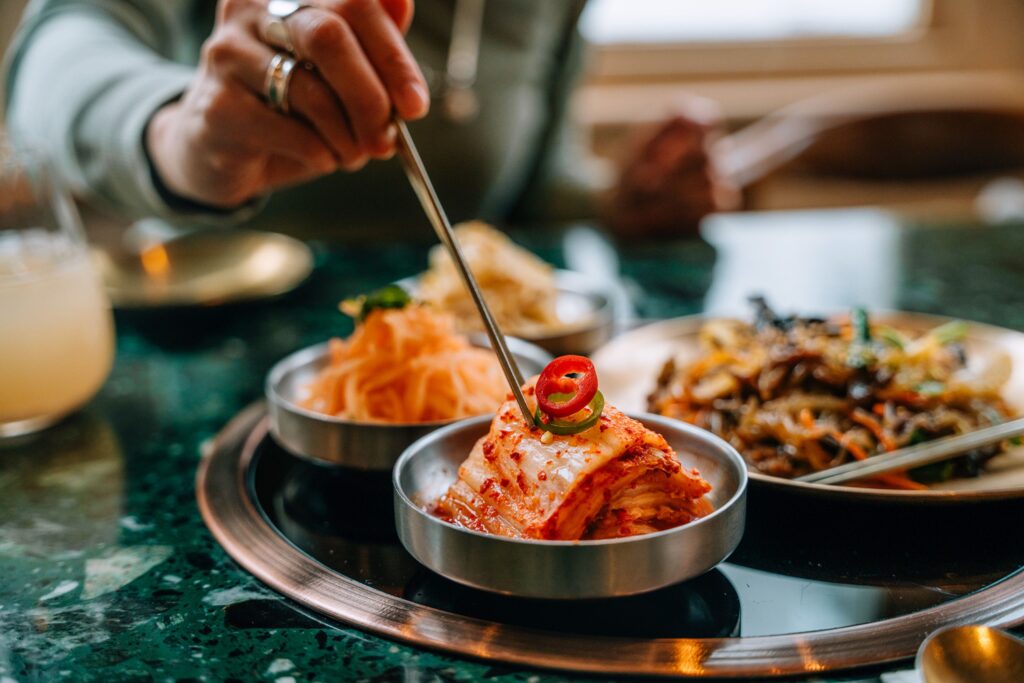
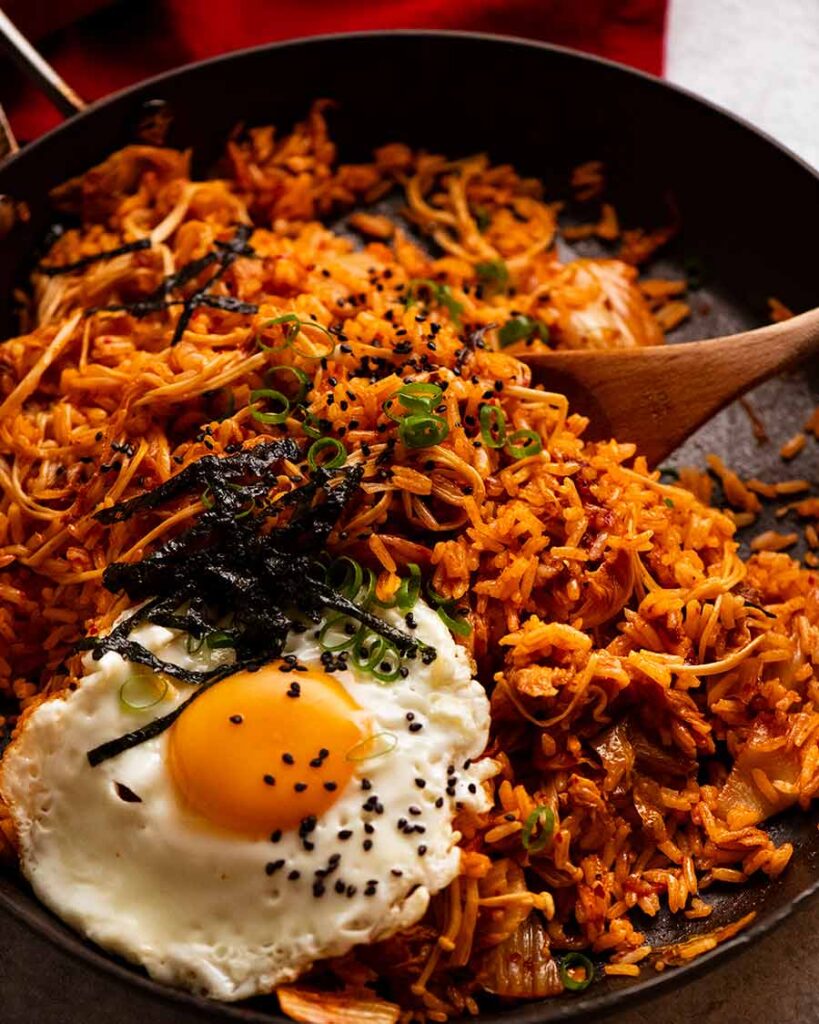
Korean meals often include rich, spicy, salty, or grilled foods. Kimchi adds acidity, freshness, crunch, and a fermented depth that balances heavier dishes. A bite of kimchi can reset the palate and make the next bite taste even better.
This is one reason kimchi works so well with foods like grilled pork belly, rice, stews, noodles, and even fried dishes.
4. Kimchi Is a Daily Marker of Korean Identity
Why do Koreans eat kimchi every day even in a modern, globalized society? Because kimchi still represents something deeply Korean. It is one of the most recognizable parts of Korean food culture, and many Koreans living abroad actively search for it, make it at home, or ask family members to send it.
Kimchi is not just a side dish. It is a cultural anchor.
5. There Are Many Types of Kimchi
Another reason kimchi stays relevant is variety. Not all kimchi tastes the same. Some versions are fresh and crisp, while others are deeply fermented, sour, and better for cooking.
| Type | Best For | Flavor | Common Use |
|---|---|---|---|
| Geotjeori | Beginners | Fresh, lightly spicy, crunchy | Side dish |
| Baek-kimchi | Non-spicy eaters | Mild, crisp, refreshing | Side dish |
| Standard napa kimchi | Everyday meals | Tangy, spicy, balanced | Rice, barbecue, soups |
| Mukeunji | Cooking lovers | Deep, sour, soft | Stews and braises |
If you are new to kimchi, geotjeori or baek-kimchi is often the easiest place to start.
6. Kimchi Is Closely Linked to Health
Kimchi is also widely associated with health. Because it is a fermented food, it contains beneficial bacteria and can provide vitamins and fiber, depending on ingredients and preparation. Many people in Korea and abroad view kimchi as one of the most interesting examples of traditional fermentation.
That said, health benefits can vary depending on salt level, sugar content, and whether the kimchi is raw, aged, or cooked.
7. Kimchi Is Incredibly Versatile
Kimchi can be eaten on its own, but it is also used in many Korean dishes. Kimchi jjigae, kimchi fried rice, kimchi pancakes, and stir-fried kimchi all show how one ingredient can take on different roles depending on age and flavor.
Fresh kimchi is often best as a side dish, while older kimchi becomes especially valuable for cooking because of its deeper, sharper taste.
Best Kimchi for Beginners
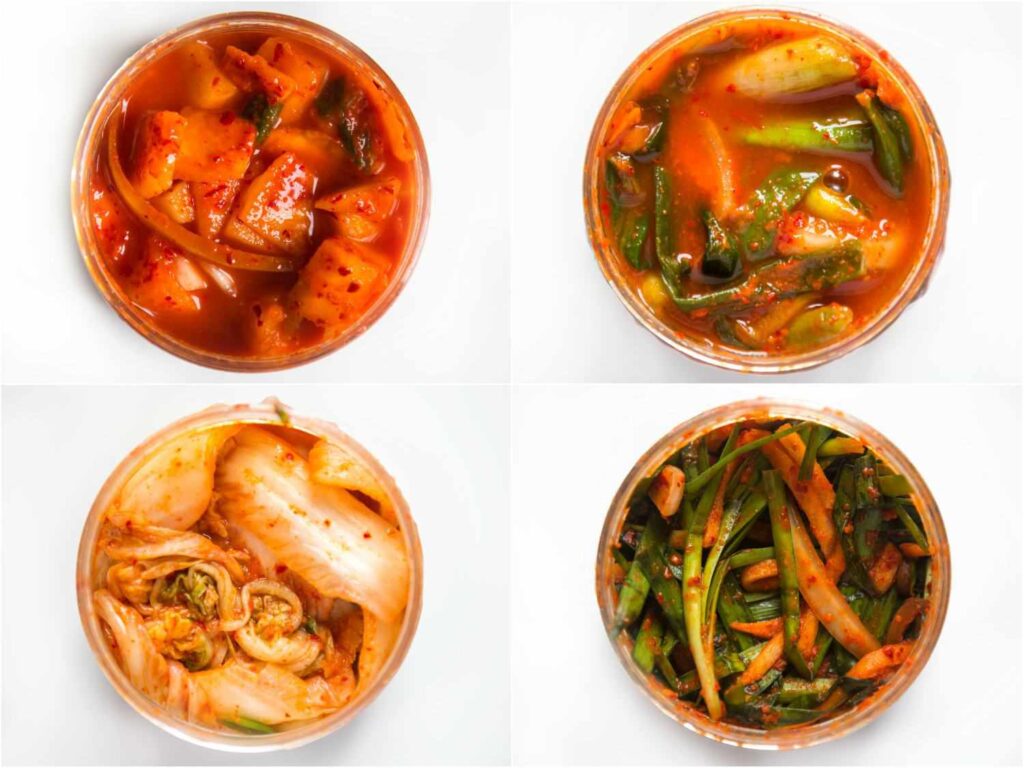
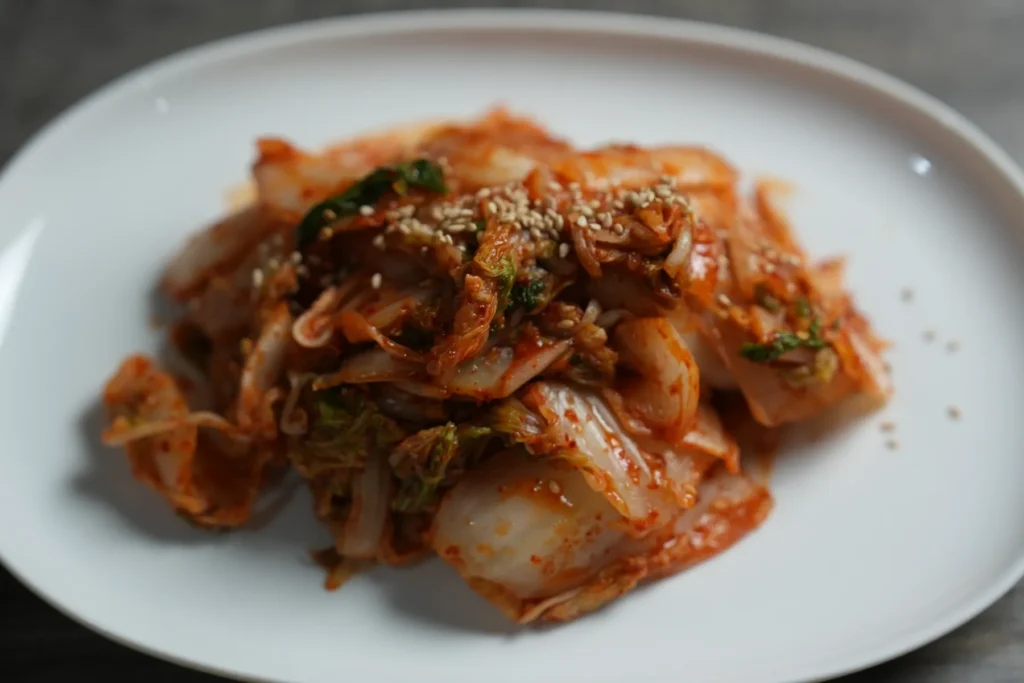
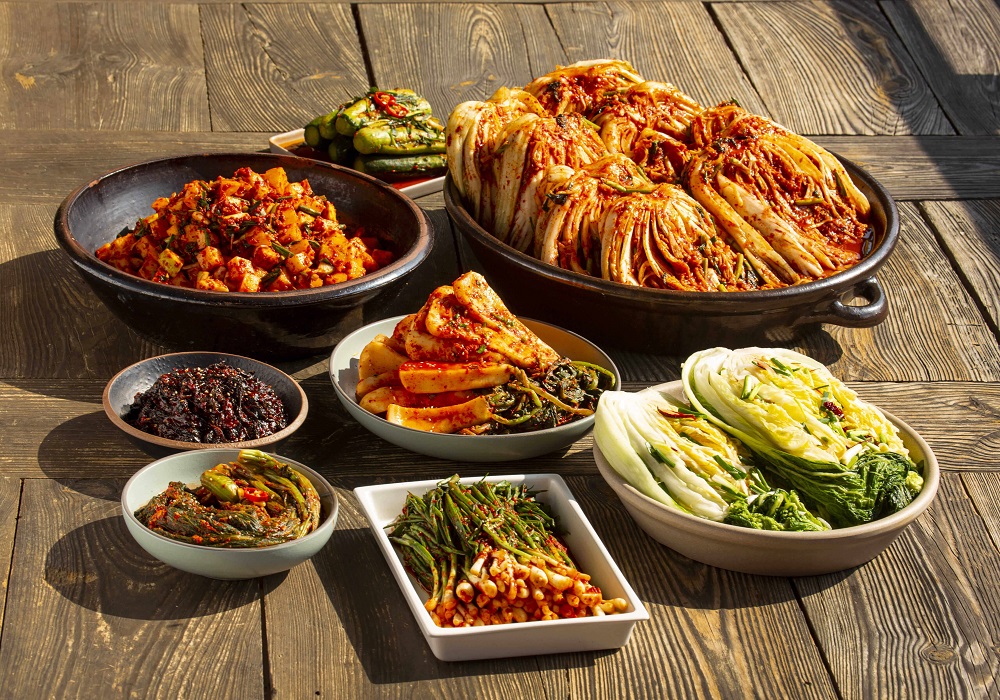
If you are trying kimchi for the first time, start with a milder and fresher style. Geotjeori, baek-kimchi, or a beginner-friendly store brand can be easier than heavily aged kimchi. Look for kimchi with a balanced flavor, moderate spice, and a crunchy texture.
If you are buying store-bought kimchi, check the ingredients, spice level, and production origin. For many beginners, freshness matters more than extreme fermentation.
FAQ
Do Koreans really eat kimchi every day?
Many do. While eating habits vary by person and generation, kimchi is still one of the most common side dishes in Korean meals.
Why is kimchi so important in Korea?
Kimchi matters because it combines history, tradition, practicality, flavor, and identity in a single food.
Is all kimchi spicy?
No. Some types, such as baek-kimchi, are mild and contain no chili heat.
What is the easiest kimchi for beginners?
Fresh geotjeori or mild baek-kimchi is usually easier for first-time eaters than strongly fermented kimchi.
Conclusion
So why do Koreans eat kimchi every day? Because kimchi is more than food in Korea. It is history preserved through fermentation, family tradition shared through kimjang, and a daily flavor that completes the meal. For many Koreans, kimchi is not optional. It is part of what makes a meal feel whole.
If you truly want to understand Korean culture, you don’t start with history—you start with kimchi.