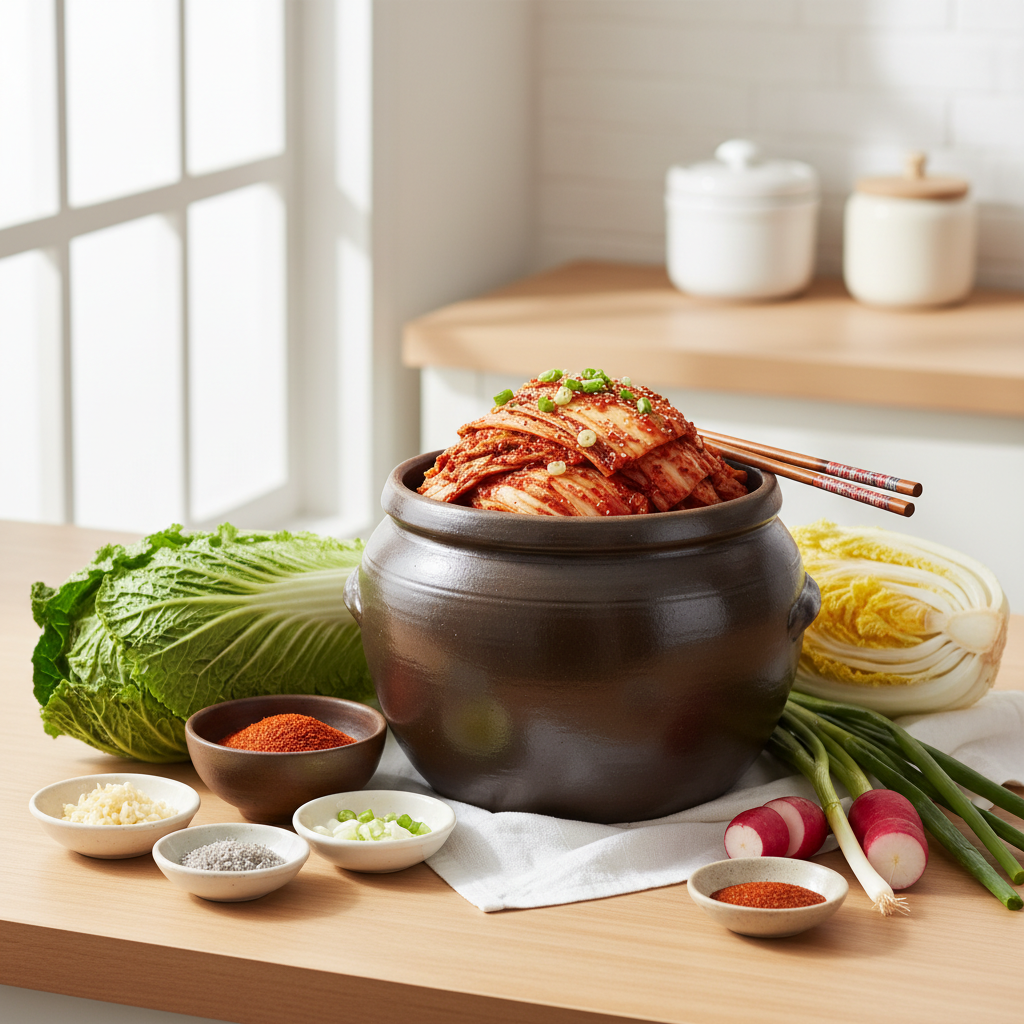
How to Make Authentic Kimchi at Home in 7 Easy Steps for Beginners
Kimchi is one of the most iconic foods in Korean cuisine, loved for its bold flavor, crunchy texture, and probiotic-rich fermentation process. While many people buy it from stores, learning how to make authentic kimchi at home is one of the most rewarding ways to experience Korean food culture more deeply.
If you have ever wondered how to make authentic kimchi at home, the good news is that the process is easier than it looks. Once you understand the basics of brining, seasoning, and fermentation, you can make a batch that tastes fresh, complex, and deeply satisfying. In this beginner-friendly guide, you will learn the ingredients, steps, storage tips, and common mistakes to avoid.
How to Make Authentic Kimchi at Home: What You Need First
Before starting, gather the right ingredients and tools. Traditional kimchi depends on a few key items that create its signature balance of spice, salt, umami, and acidity.
- Napa cabbage: The best cabbage for kimchi because it stays crisp while absorbing seasoning well
- Coarse sea salt: Important for brining and drawing moisture from the cabbage
- Gochugaru: Korean red pepper flakes that provide heat and color
- Garlic and ginger: Essential aromatics for depth of flavor
- Fish sauce or saeujeot: Traditional umami boosters
- Sweet rice flour paste: Helps the seasoning coat the cabbage evenly
- Scallions or Korean chives: Add freshness and texture
Pro tip: If you want the best results when learning how to make authentic kimchi at home, always choose dense, heavy napa cabbage with vibrant leaves and minimal damage.
Best Cabbage for Kimchi: Why Napa Cabbage Works Best
One of the most common beginner questions is about cabbage choice. If your goal is authentic texture and flavor, napa cabbage is the clear winner. In most best cabbage for kimchi comparisons, napa cabbage ranks first because it softens beautifully during fermentation without becoming limp too quickly.
- Napa cabbage: Best overall for authentic kimchi
- Green cabbage: Crunchy but less absorbent and less traditional
- Radish: Great for cubed kimchi such as kkakdugi
- Cucumber: Best for fresh, quick kimchi in warmer seasons
If you are serious about learning how to make authentic kimchi at home, napa cabbage is the most reliable and beginner-friendly option.
How to Make Authentic Kimchi at Home in 7 Easy Steps
Step 1: Cut and prepare the cabbage
Slice the napa cabbage lengthwise into halves or quarters, depending on the size. Rinse lightly under water so the salt sticks better to the leaves.
Step 2: Salt the cabbage properly
Sprinkle coarse sea salt between the leaves, focusing on the thicker white stems. Let the cabbage sit for 2 to 4 hours, turning it halfway through. The leaves should become flexible and bend without snapping.
Step 3: Rinse and drain
Once brined, rinse the cabbage thoroughly 2 or 3 times to remove excess salt. Then let it drain well. Too much leftover water can dilute the seasoning paste and affect fermentation.
Step 4: Make the kimchi paste
In a bowl, combine gochugaru, minced garlic, grated ginger, fish sauce, and sweet rice paste. Add chopped scallions or chives. This spicy mixture is what gives kimchi its bold and unmistakable flavor.
Step 5: Coat every leaf evenly
Wearing gloves, spread the paste between every cabbage leaf. This step is important because even coating ensures balanced flavor and more consistent fermentation.
Step 6: Pack tightly into a container
Place the seasoned cabbage into an airtight jar or kimchi container. Press it down firmly to remove air pockets. Keeping the cabbage packed tightly helps maintain an anaerobic environment, which is essential for proper fermentation.
Step 7: Ferment and refrigerate
Leave the container at room temperature for 1 to 2 days, depending on your kitchen temperature. Then move it to the refrigerator. This slower cold fermentation helps develop the deep, tangy flavor people love in homemade kimchi.
How to Make Authentic Kimchi at Home Without Ruining the Fermentation
Many beginners fail not because the recipe is bad, but because the fermentation conditions are off. If you really want to master how to make authentic kimchi at home, focus on these four variables:
- Temperature: Warm kitchens ferment faster, but too much heat can make kimchi soft and overly sour
- Salt balance: Too little salt increases spoilage risk, while too much can slow fermentation too much
- Air exposure: Air pockets can negatively affect flavor and texture, so always press the kimchi down well
- Container quality: Airtight glass jars or kimchi containers work best for consistency
If you want to understand the science behind fermentation and probiotic foods, you can review this resource from Healthline. It gives useful background on kimchi benefits and fermentation-related nutrition.
Traditional vs Vegan Kimchi: What Is the Difference?
Another common topic is the difference between vegan and traditional kimchi. The main difference is the source of umami. Traditional kimchi usually includes fish sauce, anchovy stock, or fermented shrimp. Vegan kimchi replaces those ingredients with soy sauce, mushroom broth, or sea kelp stock.
| Style | Main Ingredients | Flavor Profile | Best For |
|---|---|---|---|
| Traditional Kimchi | Fish sauce, saeujeot | Deep, savory, pungent | Authentic Korean flavor |
| Vegan Kimchi | Soy sauce, kelp broth | Cleaner, lighter, fresh | Plant-based diets |
Both versions can be delicious. However, if your goal is to learn how to make authentic kimchi at home in the traditional Korean style, fish sauce or fermented seafood will usually provide the most classic flavor.
Common Beginner Mistakes When Learning How to Make Authentic Kimchi at Home
- Using iodized salt: It can affect flavor and fermentation quality
- Under-brining the cabbage: This can lead to weak texture and uneven seasoning
- Leaving too much air in the jar: Oxygen can reduce fermentation quality
- Over-fermenting at room temperature: Kimchi can become too sour and mushy quickly
- Using poor-quality cabbage: Texture matters more than many beginners realize
Many people struggle with how to make authentic kimchi at home simply because they rush the brining step or use the wrong cabbage. Paying attention to these small details makes a big difference.
Health Benefits of Homemade Kimchi
Homemade kimchi is not only flavorful but also packed with beneficial bacteria, vitamins, and antioxidants. Because kimchi is fermented, it may support digestion and gut health when consumed regularly as part of a balanced diet. It is also low in calories and full of bold flavor, which makes it a popular side dish for many meals.
If you enjoy learning about Korean food traditions, you may also like our guide to Korean food culture and everyday side dishes. This can help readers understand where kimchi fits into a traditional Korean table.
When Is Kimchi Ready to Eat?
Fresh kimchi can be eaten right after seasoning if you like bright, crisp flavors. After a few days, it begins to develop more sourness and complexity. Well-fermented kimchi is excellent on its own, but older kimchi is especially good in cooked dishes like kimchi stew, fried rice, and pancakes.
In other words, part of learning how to make authentic kimchi at home is also learning which stage of fermentation matches your personal taste.
Frequently Asked Questions
Why does kimchi smell strong?
The smell comes from fermentation and the interaction of garlic, ginger, chili, and seafood-based umami ingredients. This is normal and part of kimchi’s character.
Are bubbles inside the jar a good sign?
Yes. Bubbles usually mean fermentation is active and healthy, especially in the early stage.
How long does homemade kimchi last?
When stored properly in the refrigerator, kimchi can last for several months. It will continue to become more sour over time.
Can beginners really learn how to make authentic kimchi at home?
Absolutely. Once you understand the brining, seasoning, and fermentation basics, homemade kimchi becomes much easier and more predictable.
Final Thoughts on How to Make Authentic Kimchi at Home
Learning how to make authentic kimchi at home is one of the best ways to connect with Korean culinary tradition. It gives you full control over flavor, spice level, salt balance, and fermentation time. More importantly, it turns a famous Korean side dish into something personal and satisfying.
Start with one small batch, use good napa cabbage, and pay close attention to the brining and fermentation stages. Once you do it once or twice, the process becomes much more natural.
Ready to begin? Grab your napa cabbage, prepare your seasoning paste, and make your first homemade kimchi today.
Helpful resources
- 👉 Korean Food Culture and Everyday Side Dishes: A Beginner’s Guide to Korean Meals
- 👉 Why Koreans Are Obsessed With Kimchi: 7 Reasons It Defines Korea
- 👉 Why Do Koreans Eat Kimchi Every Day? 7 Cultural Reasons
- 👉 Kimchi, Anywhere Anytime, visitkorea
- 👉 Learn more about Kimjang from UNESCO
- 👉 For more official travel information, visitseoul